Golden Dawn Expedition

PHOTO SAFARI KITS

To capture the professional-grade shots you’ve seen in magazines, you need a specific kit that balances “reach” (to see far) with “speed” (to catch movement).

Here is the essential breakdown of what a photographer needs for a Tanzania safari.

The Camera Bodies (The Rule of Two)

Primary Body: A mirrorless or DSLR with a high burst rate (at least 10–20 fps) and excellent autofocus with Animal Eye Tracking.

Examples (2026 standards): Sony A1 II, Nikon Z8/Z9, or Canon R5 Mark II.

Backup Body: Essential. Dust can ruin a sensor if you change lenses in the field, and mechanical failures happen. Keep a wide lens on one and a telephoto on the other.

The Lenses (Your Most Important Investment)

The Workhorse (Telephoto Zoom): You need at least 400mm of reach.

Top Choice: 100–400mm or 200–600mm. These are flexible for when a lion is far away or suddenly walks right next to the vehicle.

The Landscape/Portrait Lens: For those wide shots of the Serengeti plains or “animal-in-environment” photos.

Top Choice: 24–70mm f/2.8.

The Low-Light Specialist: Safaris happen at dawn and dusk.

Top Choice: A 70–200mm f/2.8 is perfect for moody, low-light predator shots.

Support & Stability

Beanbags: In East Africa, we shoot from the roof or window. A large, double-chamber beanbag (shipped empty and filled with beans/rice in Arusha) is far superior to a tripod inside a vehicle.

Monopod: Useful if you are using very heavy prime lenses (like a 600mm f/4) to take the weight off your arms while waiting for a hunt.

Protection from the Elements

Dust is the Enemy: The Serengeti and Tarangire are extremely dusty.

Dry Bags/Rain Covers: Wrap your camera in a silicon cover or a simple “Storm Jacket” even when it’s not raining to keep the fine dust out of the buttons.

Cleaning Kit: An air blower (Rocket Blower), lens pens, and plenty of high-quality microfiber cloths.

Storage & Power

High-Speed Memory Cards: You will shoot thousands of photos (especially in Ndutu or the North). Bring V90 or Express cards that can keep up with your camera’s speed.

Portable SSD: Backup your photos every single night.

Pro Tip: Keep one copy on your laptop and a second on a rugged portable SSD (like a SanDisk Extreme) kept in a separate bag.

Extra Batteries: Bring at least 3-4 batteries per camera. While many lodges have charging stations, a long day in the heat can drain batteries faster than expected.

The Serengeti Visionary

This 12-day itinerary is designed to keep you in the heart of the action. By staying in luxury tented camps and lodges strategically located inside the parks or in key migratory corridors, we eliminate long commutes and ensure you are on-site for the first and last light of the day.

The Big Cat Odyssey

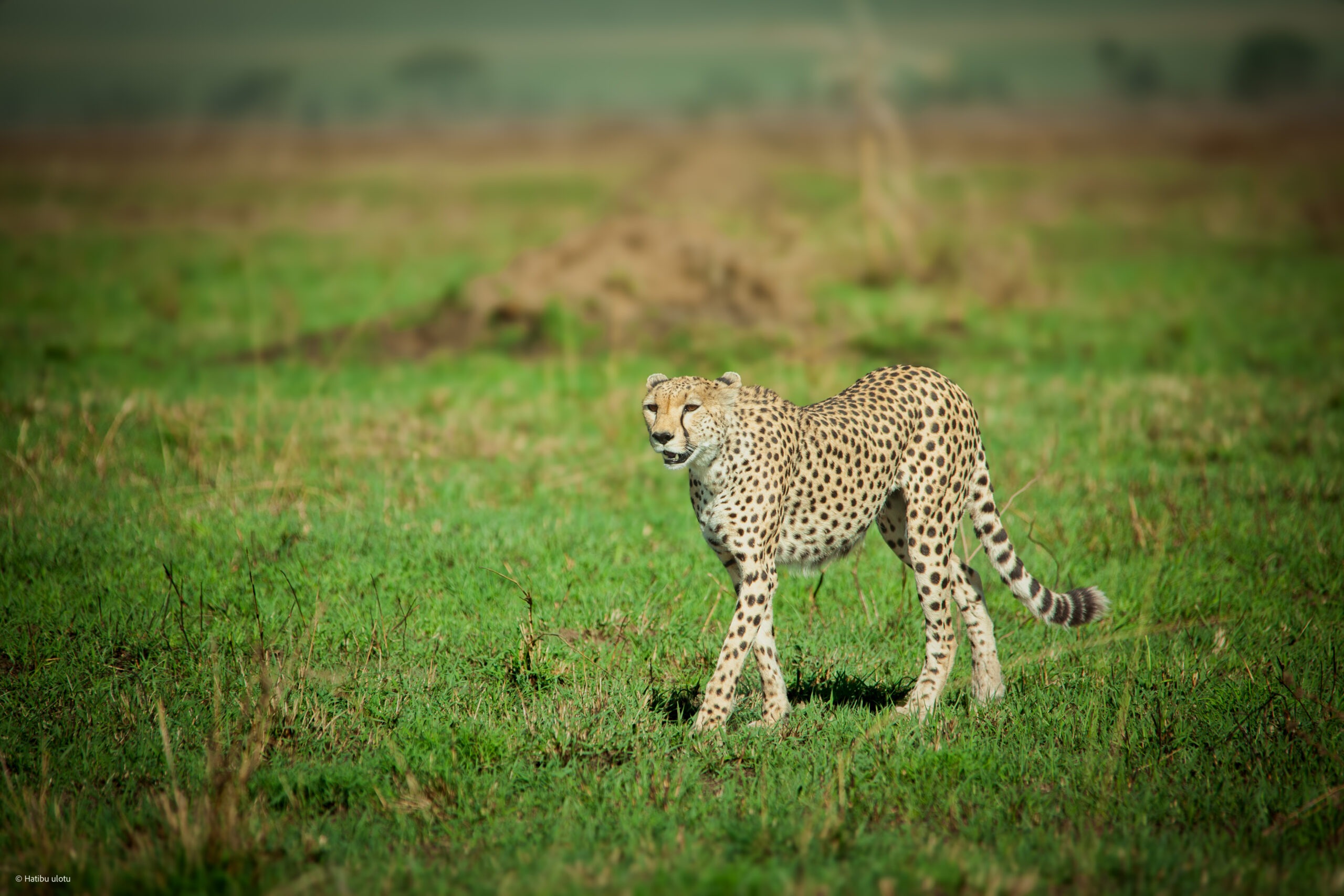
This 10-day itinerary is designed for the “Big Cat” enthusiast, specifically focusing on the remote Namiri Plains in the Eastern Serengeti an area once closed for 20 years to allow the cheetah population to flourish.

By staying in luxury tented camps and elite lodges inside the parks, you ensure your camera is ready the moment the sun hits the horizon.

The Migration Pursuit

This 8-day photographic safari is designed for efficiency and high-impact shots, focusing on the “Northern Circuit” highlights. To bridge the distance to the Northern Serengeti, we recommend a “fly-back” option on the final day, which saves you an 8-hour drive and provides stunning aerial photography opportunities.