
Serengeti National Park
The Greatest Wildlife Sanctuary
About
Serengeti National Park
Serengeti National Park is located in the north-eastern corner of Tanzania and is known as one of the best places in Africa to see wildlife. Golden Dawn Expedition operates safaris into different zones in the Serengeti National Park.
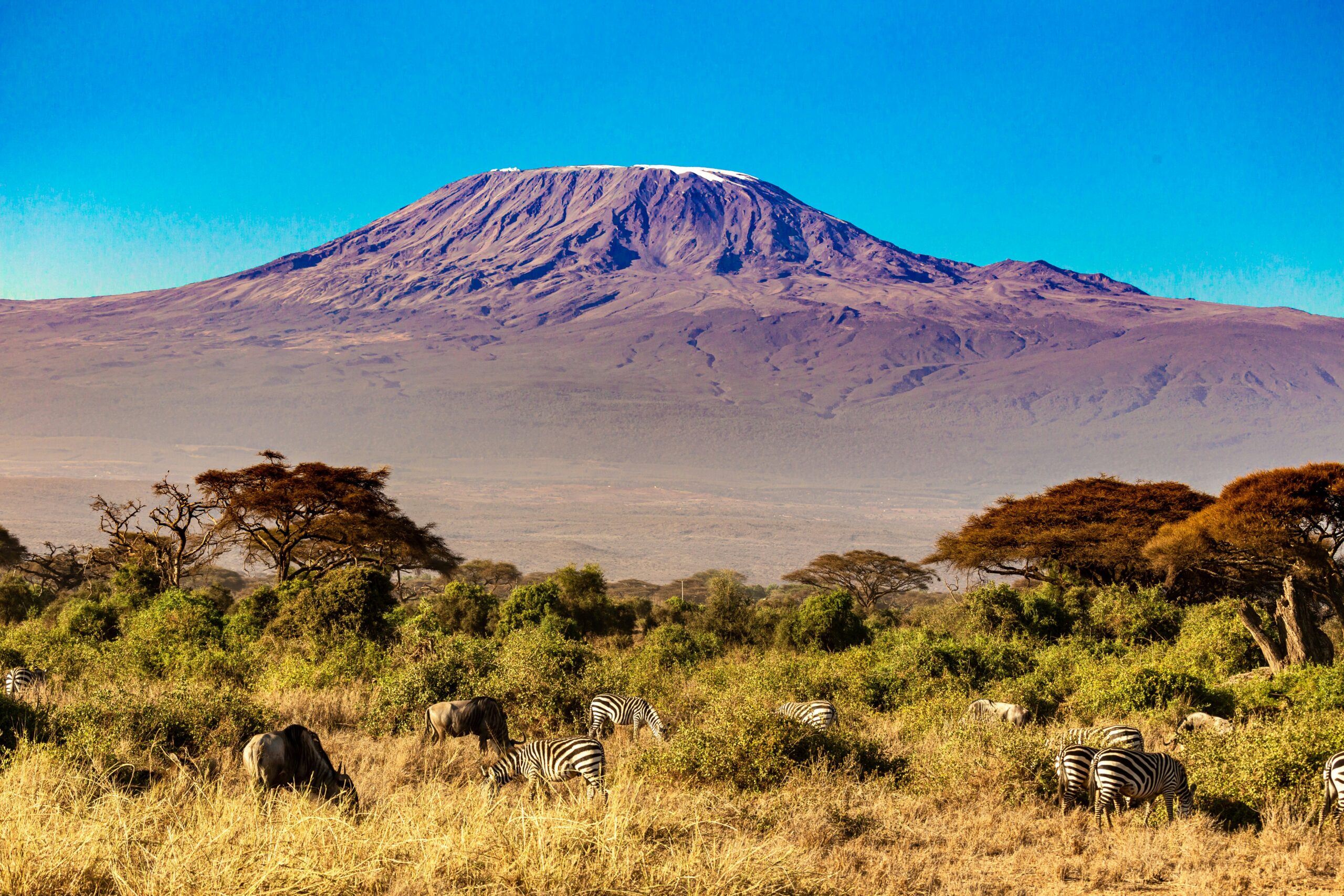
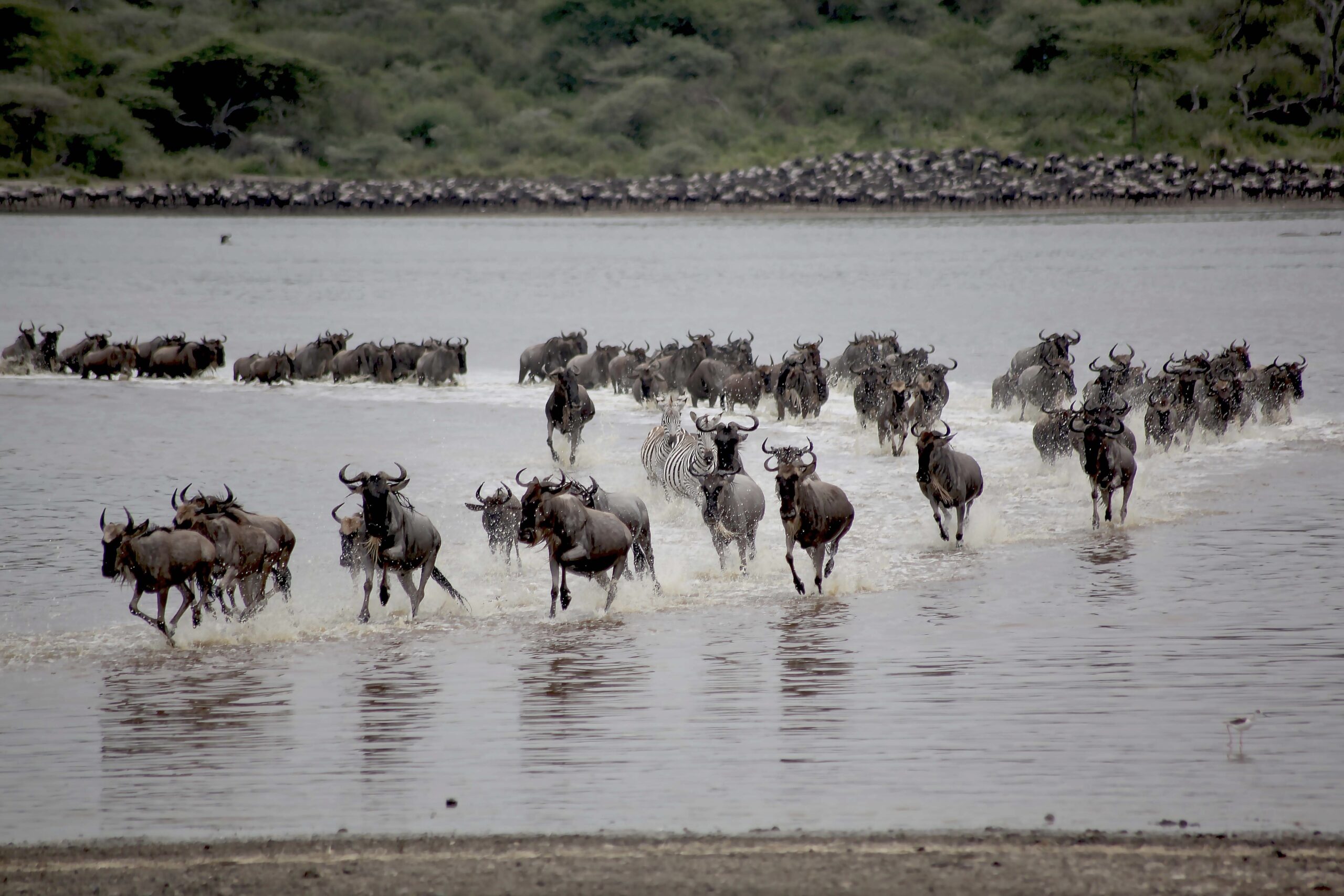
One of the world’s most famous game-viewing parks, the Serengeti is host to the Great Migration, where 2 million wildebeest, zebra and Thomson’s gazelles move together across the plains, predators following closely in their wake. The vast open landscape makes the Serengeti one of the best places to view wildlife on Earth.
Africa’s Greatest Wildlife Sanctuary
Covering 14,763 km² square kilometers, the Serengeti is larger than entire countries like Belgium. It’s not just Tanzania’s crown jewel — it’s Africa’s greatest wildlife sanctuary, home to the planet’s largest land migration and an unmatched diversity of predators and prey.
THE FOUR WORLDS OF SERENGETI, EACH A SAFARI OF ITS OWN
The Serengeti is not one place it is four distinct ecosystems, each alive with its own stories, seasons, and wildlife rhythms. From the predator-rich valleys of Central Serengeti to the cheetah plains of the East, the dramatic Mara River crossings in the North, and the calving grounds of the South every zone is a completely different safari.
To experience the Serengeti properly, each region must be explored in its right season, with its own time, and through its own dedicated journey.
That is why no one can truly visit the entire Serengeti in a single trip it is a masterpiece best discovered, chapter by chapter.
Central Serengeti - The Kingdom of Big Cats (All Year)
Central Serengeti
Location & Landscape
Central Serengeti, anchored around the Seronera River, is the wildlife heart of Serengeti National Park. Its golden plains, scattered kopjes, and riverine forests create the ultimate setting for wildlife photography. The Moru Kopjes, rising dramatically above the plains, provide elevated vantage points for predators, herds, and landscapes.
Moru Kopjes is also a key black rhino conservation area, with guided visits to monitored rhino zones. Photographers can safely observe these critically endangered species while documenting anti-poaching efforts and conservation initiatives, adding a unique storytelling layer to their safari.
Wildlife & Photography Experience
Predator Hotspot
Lions, leopards, and cheetahs are abundant in Central Serengeti. The open plains and kopjes allow unobstructed action photography, capturing hunting sequences, cub behavior, and territorial displays.
Black Rhino Conservation at Moru
Moru hosts carefully monitored black rhino populations. Guided visits provide photographers the opportunity to document these rare animals and learn about habitat protection, rhino tracking, and anti-poaching operations.
Predator-Prey Dynamics
Plains are teeming with wildebeest, zebras, gazelles, and buffalo. Dust clouds from hunting or fleeing herds add cinematic drama for wildlife photography.
Birdlife & Smaller Fauna
Kopjes and riverine areas are rich with raptors, secretary birds, and kori bustards. The Seronera River attracts waterbirds, hippos, and crocodiles, adding variety to photographic subjects.
Moru Kopjes Advantage
Granite outcrops serve as elevated photography platforms, perfect for sunrise, sunset, and wide-angle landscape compositions, including dramatic silhouettes of predators and rhinos.
Safari Highlights for Photographers
- High density of lions, leopards, and cheetahs
- Black rhino observation and conservation photography at Moru Kopjes
- Granite kopjes for elevated vantage points and dramatic landscapes
- Action photography of predator-prey interactions and dust clouds
- Wide-angle compositions of plains, kopjes, and Seronera River
- Golden hour lighting, silhouettes, and astrophotography opportunities
- Hands-on conservation storytelling opportunities
Accommodation Options
- Seronera Safari Lodge – Luxury lodge with panoramic views near Moru Kopjes
- Central Serengeti Tented Camp – Upscale camp located close to predator hotspots and rhino conservation areas
Style & Group
Small groups with a maximum of 3 photographers per vehicle, ensuring freedom and flexible positioning. Private guided photographic safaris are available for a fully tailored wildlife and conservation photography experience.
Northern Serengeti – The Great Mara River Crossing (July - October)
Northern Serengeti
Location & Landscape
Kogatende sits in the far northern Serengeti, along the Mara River near the Kenya border. This area is famous for the Great Migration river crossings, where thousands of wildebeest and zebras traverse the crocodile-infested waters, creating one of the most dramatic wildlife spectacles on Earth. The landscape features rolling grasslands, riverine forests, and acacia-studded plains, providing diverse and cinematic backdrops for wildlife photography.
Kogatende is more remote than other parts of the Serengeti, giving photographers less crowded safari experiences and opportunities to capture wildlife in natural, uninterrupted settings.
Wildlife & Photography Experience
The Great Migration River Crossings
From July to September, hundreds of thousands of wildebeest and zebras move north from the Serengeti into Kenya. Photographers can capture dramatic river crossings, predator ambushes, and high-action shots of animals in motion. Crocodiles lying in wait add tension and incredible photographic drama.
Predator Action
The northern Serengeti supports abundant lions, leopards, hyenas, and cheetahs. With fewer vehicles than the central Serengeti, photographers can get closer and spend more time capturing hunting sequences, stalking behavior, and interaction between predators and the migrating herds.
Birdlife & Smaller Wildlife
Along the Mara River, herons, storks, egrets, and other waterbirds create additional photographic subjects. Hippos and crocodiles provide action shots in riverine habitats, and giraffes, elephants, and buffalo roam the surrounding plains.
Light & Atmosphere
Morning and evening light is spectacular, with soft golden rays illuminating the plains, creating opportunities for silhouette photography, reflections on the river, and dust clouds stirred by migrating herds.
Safari Highlights for Photographers
- Dramatic river crossings of the Great Migration (July–September)
- Abundant predator activity including lions, leopards, hyenas, and cheetahs
- Remote, uncrowded photographic locations
- Rolling plains, riverine forests, and Mara River backdrops for versatile compositions
- Expert guiding to position vehicles for optimal photographic angles
Accommodation Options
- Kogatende Tented Camp – Luxury mobile tented camp near the Mara River for migration access
- Serengeti Kogatende Lodge – Comfortable lodge with panoramic views of the river and plains
Style & Group
Small groups with a maximum of 3 photographers per vehicle, allowing freedom of movement, flexible positioning, and ample photographic opportunities. Private guided photographic safaris are also available for tailored experiences.
Eastern Serengeti - The Realm of Cheetahs (Best Jan - June)
Eastern Serengeti
Location & Landscape
Namiri Plains and Gol Kopjes are located in the Eastern Serengeti, a region known for its open grasslands, rocky outcrops, and minimal tourist traffic. Unlike the busier Central Serengeti, these areas allow photographers to experience intimate wildlife encounters in pristine surroundings. The plains are dotted with acacia trees and granite kopjes, creating dramatic natural backdrops for wildlife and landscape photography.
Namiri Plains was closed for 20 years by the Tanzanian government to protect its high cheetah population. Since reopening in 2014, the area has offered a perfect balance of luxury safari accommodation and unrestricted wildlife observation, while Gol Kopjes complements it with its elevated granite formations for iconic predator photography.
Wildlife & Photography Experience
Cheetah & Big Cat Action
Namiri Plains is renowned for its cheetah population, while Gol Kopjes attracts lions, leopards, and hyenas. The open plains and kopjes give photographers unobstructed views, ideal for capturing hunting sequences, stalking behavior, and mother-and-cub interactions.
Predator-Prey Dynamics
Both areas provide the opportunity to photograph predators in action, often with plains game like gazelles, impala, and wildebeest as subjects. The rocky outcrops at Gol Kopjes also allow for dramatic vantage points, creating epic predator shots.
Landscape & Light
Golden plains, expansive skies, and granite kopjes provide incredible settings for wide-angle landscapes, silhouettes at sunrise or sunset, and dusty action shots during hunts.
Birdlife & Small Fauna
From secretary birds to kori bustards and other raptors, the plains host a variety of birds that add dynamic foregrounds or action to your photography.
Safari Highlights for Photographers
- High concentration of cheetahs, lions, and leopards in intimate settings
- Dramatic granite kopjes for predator vantage points and landscape shots
- Open plains for golden light photography and wide-angle compositions
- Minimal vehicle congestion for private, uninterrupted wildlife observation
- Luxury camps with views directly onto wildlife-rich areas
Accommodation Options
- Namiri Plains Camp – Luxury tented camp with 360° views of the plains
- Serengeti Serena Lodge or Similar – Comfortable lodge near Gol Kopjes for easy access to predator hotspots
Style & Group
Small groups with a maximum of 3 photographers per vehicle, ensuring space, flexibility, and freedom to position for the best shots. Private guided photographic safaris are also available.
Southern Serengeti - Calving Miracle
Southern Serengeti
Location & Landscape
Ndutu lies in the Ngorongoro Conservation Area, bordering the Southern Serengeti. Unlike Serengeti National Park, Ndutu has a unique advantage: off-road driving is permitted. This makes it a dream destination for photographers, allowing you to follow predators or birthing wildebeest right to the action without restriction. The landscapes are made of short-grass plains, dotted with acacia trees and seasonal alkaline lakes such as Ndutu and Masek, creating stunning natural backdrops.
Wildlife & Photography Experience
The Great Calving Season
Between late December and March, Ndutu becomes the birthing ground of the Great Migration. Over half a million wildebeest calves are born in just a few weeks. For photographers, this is a rare opportunity to capture new life unfolding, mothers protecting their young, and predators testing their survival.
Predator Action
Ndutu is famous for its predator sightings. Lions, cheetahs, hyenas, and even leopards thrive here. The short grass plains give clean, unobstructed views, ideal for action photography.
Off-road Freedom
Unlike many reserves, Ndutu allows vehicles to go off-road. This is priceless for photographers. You can position perfectly with the light, follow a cheetah family all day, or set up for dramatic low-angle shots with dust and sunsets.
Birdlife and Landscapes
Seasonal lakes attract flamingos, pelicans, crowned cranes, and many other species. Wide open skies, acacia woodlands, and endless horizons give incredible opportunities for wide-angle and landscape photography.
Light and Atmosphere
Every day in Ndutu begins with a dramatic sunrise over the plains and ends with golden light shining through dust clouds raised by the herds. Photographers can also experiment with silhouettes, reflections on the lakes, and even astrophotography at night.
Safari Highlights for Photographers
- Unrestricted off-road access to wildlife action
- Golden light and open plains for world-class photography
- Predators, calving season, and dramatic birdlife as main subjects
- Professional guiding to position vehicles perfectly
- Optional night-sky astrophotography in camp
Accommodation Options
Ndutu Safari Lodge – a classic stay with prime access to the herds
Luxury Mobile Tented Camps – seasonal camps positioned right at the migration hotspots
Style & Group
Small groups with a maximum of 3 photographers per vehicle for plenty of space and freedom. Private guided photographic safaris also available.
One Park. Four Ecosystems. Endless Journeys.
Each Serengeti zone is a different world, with its own wildlife, atmosphere, and season. To experience them fully, you explore them one at a time, like chapters in the greatest wildlife story on Earth.
BEST TIME TO VISIT & SEASONAL ACTIVITIES
The Serengeti is a vast ecosystem with distinct regions, each offering unique wildlife experiences depending on the season. From year-round big cat action in Central Serengeti, dramatic river crossings in the North (July–October), cheetah country in the East (January–June), to the famous calving season in the South, every region tells a different story of the Great Migration.
Serengeti Featured Packages
10 Days Safari – Tarangire, Ngorongoro & Ndutu
7 Days Ndutu - The photographer's Paradise
